
Book Appointment Now

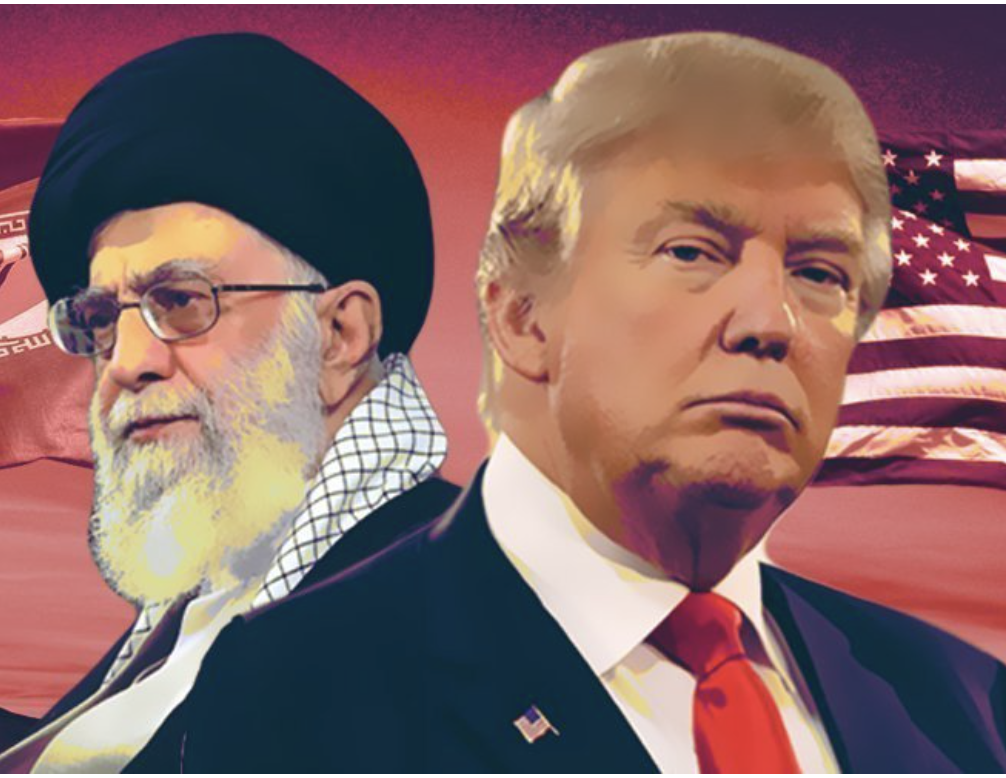
How the 2026 Middle East Crisis is Reshaping Nigeria’s Economy
As of March 2026, the escalation in the Middle East has created a “divergent economy” in Nigeria. While the government’s balance sheet is strengthening, the average business and household are facing a severe cost-of-living squeeze.
Here is the breakdown of the sectors winning and losing in the current crisis:
The Likely Winners
Upstream Oil & Gas
Companies like Seplat Energy and Aradel Holdings are seeing record profits. With Brent crude trading at $73–$80+ (well above the $64.85 budget benchmark), their dollar-denominated revenues have surged without a matching increase in production costs.
Banking & Finance
Higher oil prices have pushed Nigeria’s foreign reserves above $50 billion. This improved liquidity allows banks to facilitate more trade finance and benefits those with large FX revaluation gains.
Government (Public Sector)
The Federation Account (FAAC) is seeing a “windfall.” Increased oil receipts provide the government with the fiscal space to fund infrastructure projects and manage the national debt, which was under extreme pressure in late 2025.
Logistics (Atlantic Ports)
As global shipping avoids the Red Sea and Strait of Hormuz, traffic is rerouting around the Cape of Good Hope. Nigerian ports, such as Lekki Deep Sea Port, are gaining greater relevance as strategic stopovers in the Atlantic corridor.
The Potential Looser.
Manufacturing
This sector is the hardest hit. Manufacturers rely on imported raw materials and machinery. With marine war-risk insurance up by 200–400% and ships taking the long route around Africa, the “landed cost” of factory inputs has skyrocketed.
Aviation
Global jet fuel prices have spiked. Additionally, rerouting flights to avoid Middle Eastern airspace has increased flight times and fuel consumption for carriers like Air Peace, leading to higher ticket prices for Nigerians travelling to Asia and Europe.
Downstream Petroleum
Despite the Dangote Refinery operating at high capacity (approx. 660,000 bpd), it must buy crude at global market prices. This has forced domestic petrol prices toward ₦1,000–₦1,200 per litre, squeezing the margins of independent marketers and retailers.
FMCG (Consumer Goods)
Companies like Nestlé and Nigerian Breweries are facing “margin compression.” Their logistics costs (diesel for trucks) are rising, but they cannot easily pass the full cost to the Nigerian consumer, whose purchasing power is already fragile.
Agriculture (Export)
While Nigerian ginger, cocoa, and sesame are in demand, exporters are struggling with container scarcity and a 30% increase in freight rates, making their goods less competitive in the global market.
In summary, this crisis is effectively taxing the poor to fund the state. The government is getting the “Oil Windfall” it desperately needs, but the “Imported Inflation” is expected to add 3% to 5% to the national inflation rate by mid-2026.