
Book Appointment Now

Understanding Financial Leverage (Part 2): Personal Finance and Consumer Loans
Introduction
In Part One, we explored how financial leverage can propel small businesses forward — or push them into crisis. But leverage is not just a business concept; it also affects individuals in their daily lives. From salary earners to self-employed professionals, personal loans are often used to bridge financial gaps, seize opportunities, or manage urgent needs.
The question is: Should you take a personal loan? And if yes, under what conditions? Used wisely, consumer loans can enhance financial stability and well-being. Used recklessly, they can create debt traps and long-term hardship.
Financial leverage isn’t just a business concept; it also impacts individuals daily. Salary earners and self-employed professionals often use personal loans to cover financial gaps, seize opportunities, or handle urgent needs. But should you take one? A personal loan can either enhance your financial well-being or create a debt trap, depending on how you use it.
 When a Personal Loan Makes Sense
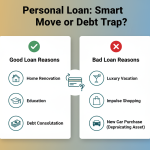
Not all borrowing is bad. Taking out a personal loan can be a good idea under certain conditions:
- When there’s a pressing need, this could include medical bills, education expenses, or emergencies when your savings are insufficient.
- For a productive purpose. Use a loan to finance things that can increase your earning potential, such as certifications, new skills, or tools.
- When the benefits outweigh the costs. For example, borrowing at a 15% interest rate to pay off a credit card with a 30% interest rate is a smart move.
- To take advantage of a price opportunity or discount. If an item you need is available at a significant discount, a loan can be beneficial if the discount you gain is greater than the total interest you’ll pay on the loan.
- For Debt Consolidation. Using a structured personal loan with a lower annual percentage rate (APR) to pay off multiple, high-interest obligations (like some Fintech loans) can significantly simplify your finances, reduce your total interest paid, and provide a clear path to becoming debt-free.
However, borrowing to fund Lifestyle consumption—like vacations, luxury items, or social status spending—can quickly lead to unmanageable debt.
 Who Should Consider a Personal Loan?
Consumer loans aren’t for everyone. They are best suited for individuals who have:
- A stable income. This includes salaried workers or entrepreneurs with predictable cash flow.
- Financial discipline. You should be someone who budgets, tracks expenses, and avoids impulse spending.
- A clear repayment plan. Your monthly loan payments should not exceed 30–35% of your net income.
- The goal of debt consolidation. Using a structured loan to replace multiple high-interest obligations can simplify your finances and save you money.
If you don’t have a stable income or struggle with overspending, it’s best to avoid personal loans altogether.
 Key Questions to Ask Before You Borrow
Before you sign a loan agreement, ask yourself these crucial questions:
- Affordability: Can you comfortably repay this loan from your regular income without sacrificing essential needs? What percentage of your income will be used to service this debt?
- Purpose: Will this loan create future value, like an investment in your health or education, or will it only provide temporary satisfaction?
- Cost of Borrowing: What is the total amount you will repay (Principal + Interest + Fees)? Understanding this final number—not just the interest rate—is crucial for making an informed decision.
- Tenor vs. Purpose: Understand the trade-off: a longer tenor means smaller monthly payments (better affordability) but results in paying significantly more interest over the life of the loan. A shorter tenor means higher monthly payments but a much lower total cost of borrowing.
- Emergency Buffer: Do you have an emergency savings fund or another source of income to cover repayments if your primary income unexpectedly decreases?
 Pitfalls to Avoid
Borrowing can be risky. Here are some common pitfalls to avoid with consumer loans:
- Borrowing Against Hope: Taking a loan without a solid repayment plan and relying on wishful thinking is dangerous because debt is certain, but hope is not.
- Lifestyle Inflation: Avoid taking loans for parties, new gadgets, or other status symbols.
- Multiple Loans at Once: Juggling multiple loan obligations can create a debt spiral.
- Ignoring the Fine Print: Always read the loan agreement carefully to understand interest compounding, penalty clauses, and any hidden charges.
- Unrealistic Repayment Assumptions: Don’t assume future bonuses, promotions, or side income will be enough to cover your loan payments.
- No Emergency Plan: Never rely solely on your salary with no savings cushion to back up your repayments.
 Healthy Alternatives to Consumer Loans
Before you take out a loan, consider these healthy alternatives:
- Build an emergency fund. Aim to save 3–6 months’ worth of living expenses.
- Budget and save. Instead of borrowing, create a budget and save up for purchases.
- Boost your income. Look for income opportunities like side hustles, freelancing, or investments to increase your cash flow.
- Seek Support from Your Network: Before taking a high-interest loan, explore options for low- or no-interest loans from trusted family members or friends. This can offer a more flexible and less costly solution for temporary financial gaps.
In conclusion, financial leverage is a magnifier. Used wisely, it can be a bridge to a better financial future. The key is to borrow only when necessary, for productive reasons, and under conditions you can comfortably sustain.